
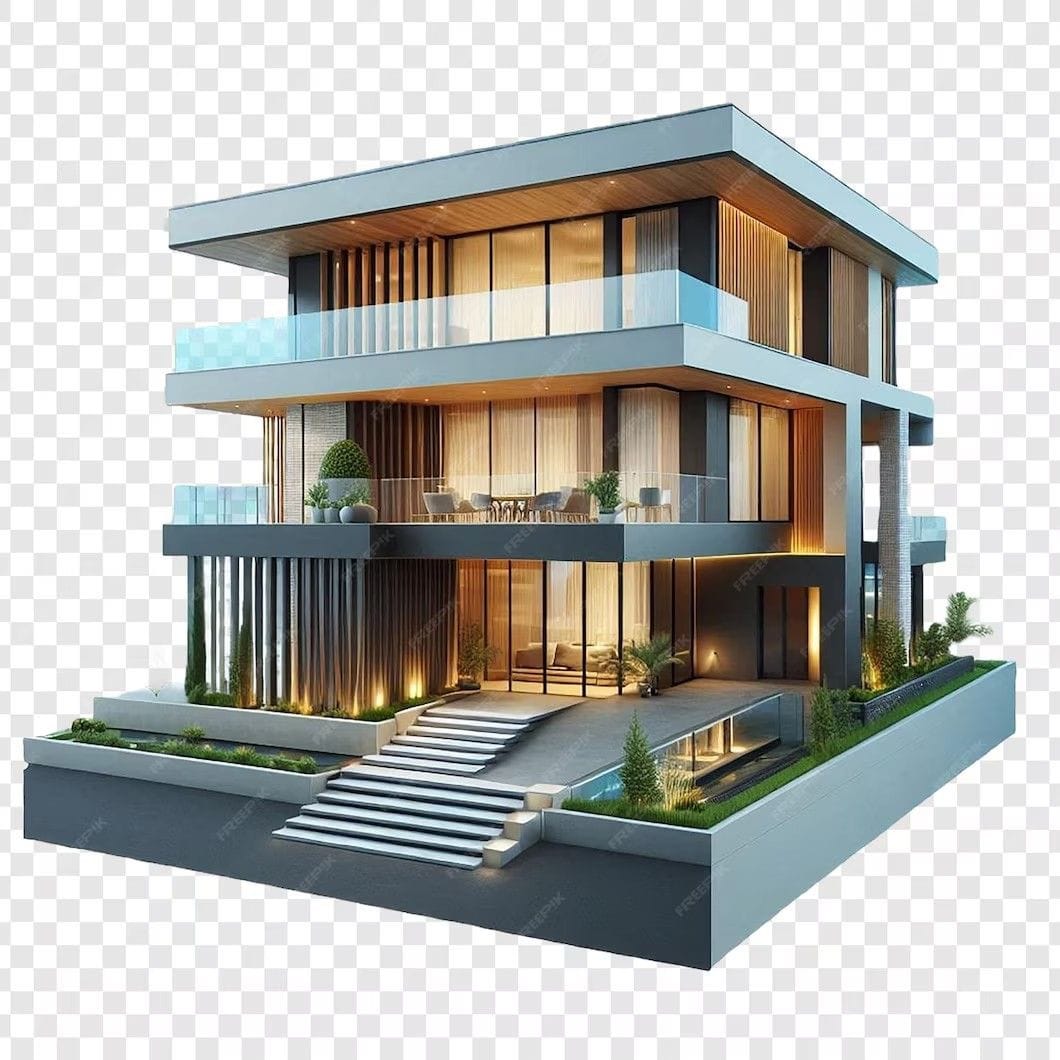
The construction industry is experiencing a massive shift. As climate change becomes a pressing reality, the demand for sustainable, energy-efficient homes has skyrocketed. Homeowners are no longer just looking at the aesthetic appeal of their houses; they are scrutinizing the carbon footprint.
The Rise of Net-Zero Homes
Net-zero homes—buildings that produce as much energy as they consume over a year—are moving from a niche market into the mainstream. This is achieved through a combination of ultra-efficient building envelopes, high-performance windows, and renewable energy systems like solar arrays.
 }})
Innovative Green Materials
Traditional concrete and steel have massive carbon footprints. To counter this, architects are turning to alternative materials:
- Hempcrete: A bio-composite made of the inner woody core of the hemp plant mixed with a lime-based binder. It's breathable and carbon-negative.
- Cross-Laminated Timber (CLT): Super strong, fire-resistant engineered wood that can replace steel in multi-story buildings.
- Recycled Steel: Using recycled steel radically reduces the energy required in manufacturing.
"Sustainability is no longer an optional add-on in architecture; it is the fundamental baseline from which all good design must originate." – ABS Engineering Team
By investing in these materials now, homeowners can severely reduce their lifetime energy costs, resulting in a home that pays for itself over its lifespan.